

Florida Real Estate Snapshot: Trends, Prices & What to Expect in Today’s Market

Florida has long been a hotbed for real estate—whether it’s retirees heading to the Sunshine State, remote workers seeking a lifestyle upgrade, or investors looking for strong returns. But as we head deeper into the current market cycle, what does the real estate landscape look like across Florida?
Here’s a quick snapshot of what’s happening right now in Florida’s real estate market—backed by trends, data, and what buyers and sellers should be keeping an eye on.
Market Overview: A State of Adjustment
The Florida housing market has shifted from the frenzy of 2021–2022 into a more balanced and nuanced space. While demand is still strong—especially in key metro areas—factors like interest rates, affordability concerns, and inventory levels are shaping buyer and seller behavior.
Key Highlights:
-
Home prices have stabilized in many markets but remain elevated compared to pre-pandemic levels.
-
Inventory is slowly increasing, giving buyers more options but still falling short of a true buyer’s market.
-
Interest rates remain a key driver, with many would-be sellers holding off listing to preserve their low mortgage rates.
-
Out-of-state demand continues, especially from the Northeast and Midwest, where residents are drawn to Florida's lifestyle, tax advantages, and climate.
Median Home Prices Across Florida (2025 Snapshot)
Note: Prices are approximations and can vary significantly by neighborhood.
-
Orlando Metro – $430,000
-
Tampa Bay – $410,000
-
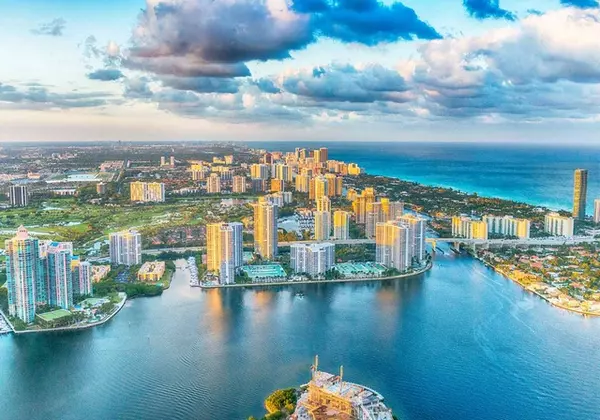
South Florida (Miami-Dade/Broward) – $580,000+
-
Jacksonville – $370,000
-
Naples – $750,000
-
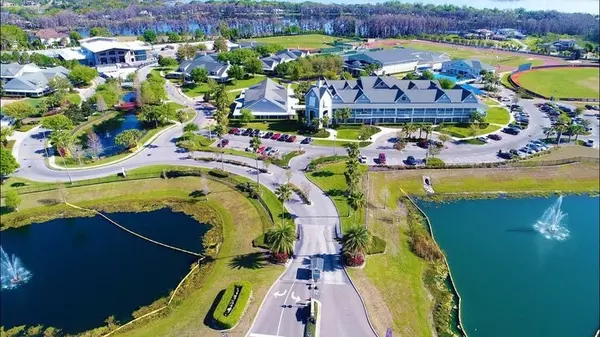
The Villages – $400,000
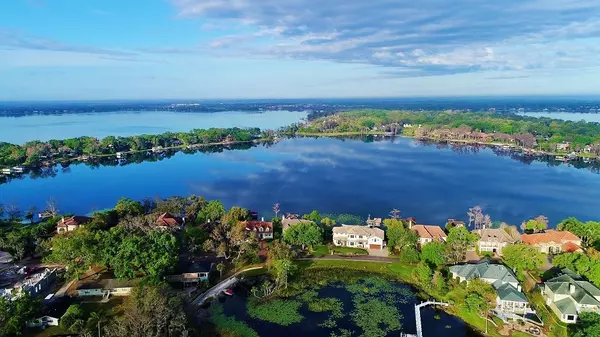
Luxury markets like Naples, Palm Beach, and Sarasota continue to command top dollar, especially for waterfront and new-construction properties.
Hottest Markets in 2025
Some Florida cities are showing stronger activity due to economic growth, job opportunities, and lifestyle appeal:
-
Lake Nona (Orlando) – Tech & medical hub with high demand and new development.
-
St. Petersburg – Urban living near the coast with revitalized downtown.
-
Cape Coral & Port St. Lucie – More affordable coastal living is drawing families and retirees.
-
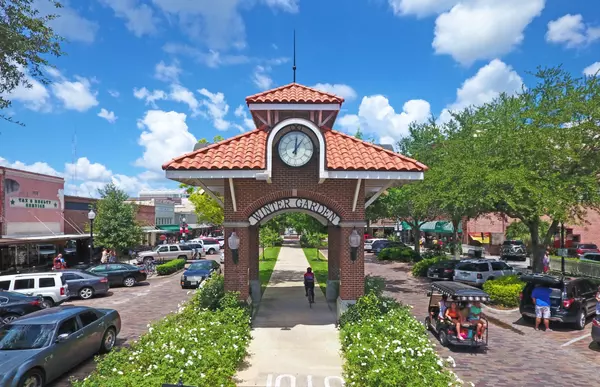
Winter Garden & Windermere – Popular with families due to A-rated schools and community feel.
What Buyers Should Know
-
Be prepared to act fast, especially on well-priced properties in good school zones or walkable areas.
-
Get pre-approved: Rising rates mean lenders are more selective.
-
Consider new construction: Many builders are offering incentives like rate buy-downs or closing cost assistance.
What Sellers Should Know
-
Pricing strategically is critical: The days of naming your price are over—buyers are more cautious and cost-conscious.
-
Presentation matters: Homes that are staged, well-maintained, and move-in ready tend to sell faster and at higher prices.
-
Timing is key: Fall and winter tend to cool off slightly, so now may be the right time to list before year-end slowdowns.
Looking Ahead: What’s Next for Florida Real Estate?
Florida’s long-term outlook remains strong. Migration trends, favorable tax policies (no state income tax), and strong lifestyle appeal continue to support demand.
However, short-term challenges—like affordability and borrowing costs—may temper rapid price growth and shift power toward a more balanced market.
Keep an eye on:
-
Federal Reserve policy and interest rates
-
New home construction pace
-
Shifts in insurance premiums and property taxes
In conclusion, Florida remains one of the most dynamic and resilient real estate markets in the U.S. Whether you're a buyer, seller, or investor, understanding today’s data and tomorrow’s trends is essential to making smart moves.
Thinking of buying or selling in Florida? Now is the time to have a clear strategy—and a local expert by your side. Let’s connect and talk about your real estate goals in Florida’s evolving market (407) 986-6814.
Categories
Recent Posts




GET MORE INFORMATION